Behind the scenes, LPS staff used creative solutions and smart irrigation practices to protect student spaces while conserving water during a challenging summer.
As drought conditions gripped Colorado during summer 2026, Littleton Public Schools (LPS) faced a significant challenge: reduce irrigation water consumption by 20% while continuing to maintain safe, usable outdoor spaces for students and athletic programs.
Thanks to the dedication and expertise of irrigation technicians Daniel Gorman and Matt McCray, LPS implemented thoughtful water conservation strategies that prioritized students, improved irrigation efficiency, and positioned the district for more sustainable water management in the years ahead.
Making Every Drop Count
Under its agreement with Denver Water, LPS was required to reduce irrigation water consumption by 20% compared with its previous five-year average. Meeting that requirement meant carefully evaluating how water was used across district properties and finding opportunities to conserve without compromising essential outdoor spaces.
Daniel and Matt approached the challenge strategically, assessing irrigation needs at individual schools and identifying areas where watering could be reduced, including decorative landscaping around buildings and perennial planting beds.
Rather than applying the same reductions everywhere, the team prioritized athletic fields and playgrounds, redirecting available water to the spaces students use most.
Their work was particularly important at Ford Elementary School, where a playground field project required new turf establishment, and at Euclid Middle School, where a construction project required new landscaping to take root. Both projects needed additional watering during a summer when every gallon counted.
To accommodate these needs, the team identified opportunities for further reductions elsewhere and continually adjusted irrigation schedules based on the condition of the vegetation.
Using Technology to Work Smarter
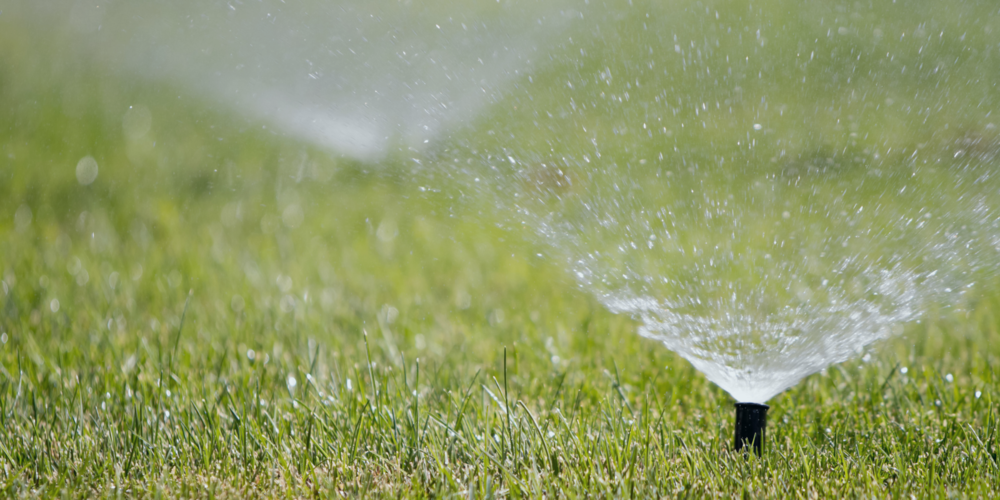
Conservation required more than simply turning down the sprinklers. Daniel and Matt used a combination of technology, careful monitoring, and innovative watering techniques to maximize the effectiveness of each irrigation cycle.
One strategy, known as “cycle-soak” watering, involves applying water in shorter intervals, allowing moisture to absorb and spread through the soil before additional watering occurs. This approach helps water reach the areas where it is needed while minimizing waste.
The team also made improvements to irrigation systems across the district, including:
Adjusting sprinkler head spacing and installing high-efficiency nozzles to improve water distribution.
Installing automatic rain shutoffs to prevent unnecessary watering after precipitation.
Adding flow detection equipment and master valves to improve system monitoring and control.
Using the district’s centralized irrigation control system to make adjustments based on changing weather conditions.
Investments in irrigation infrastructure through LPS’s previous bond work also helped make these efforts possible, giving the team greater control over how and when water was used.
Throughout the summer, Daniel and Matt closely monitored temperatures, rainfall, and vegetation conditions, making real-time adjustments to irrigation schedules and extending watering shutdowns following rainstorms.
Balancing Conservation with Long-Term Sustainability
The significant reduction in irrigation did have visible effects on some district grounds, particularly landscaped areas surrounding school buildings. Some lawns experienced drought-related damage and will require reseeding when conditions improve.
These impacts reflect the difficult decisions required to balance water conservation with the long-term care of district facilities.
Importantly, several improvements implemented this summer will continue benefiting LPS beyond the current drought. Upgraded irrigation equipment, improved watering zones, and more efficient system management will help the district make better use of water in future years.
The LPS Operations team is also exploring additional sustainable landscaping options, including drought-tolerant turf and xeriscaping, while evaluating long-term costs and benefits.
Recognizing the People Behind the Work
While much of their work happens behind the scenes, the Operations team plays an important role in maintaining outdoor environments where LPS students learn, play, and compete.
Matt’s and Daniel’s ability to adapt, solve problems, and make thoughtful decisions during a challenging summer demonstrates the expertise and dedication of the staff who care for LPS facilities every day.
As the district continues to navigate challenging environmental conditions, their work serves as an example of how innovation, teamwork, and responsible resource management can support our schools and community.